
If you have been wondering when the best time to hike in Greece is, I can reply easily: anytime but summer!
June used to be the coolest summer month in Greece, a favorite time for older people visiting to enjoy the warm weather and hike the endless trails.
However, in June 2024, the country experienced extremely high temperatures, and sadly, unprepared tourists lost their lives while hiking in Greece.

In Samos, where one hiker tragically died, temperatures soared above 40 degrees Celsius (104 degrees Fahrenheit).
In Crete, where the German hiker lost his life, temperatures reached an even higher 44.5 degrees Celsius.
The police officers searching for Michael Mosley in Symi felt like their feet were “burning” during the operation.
They described the heat as so extreme that hiking becomes impossible. On these rocky, barren landscapes, the conditions become especially unbearable.
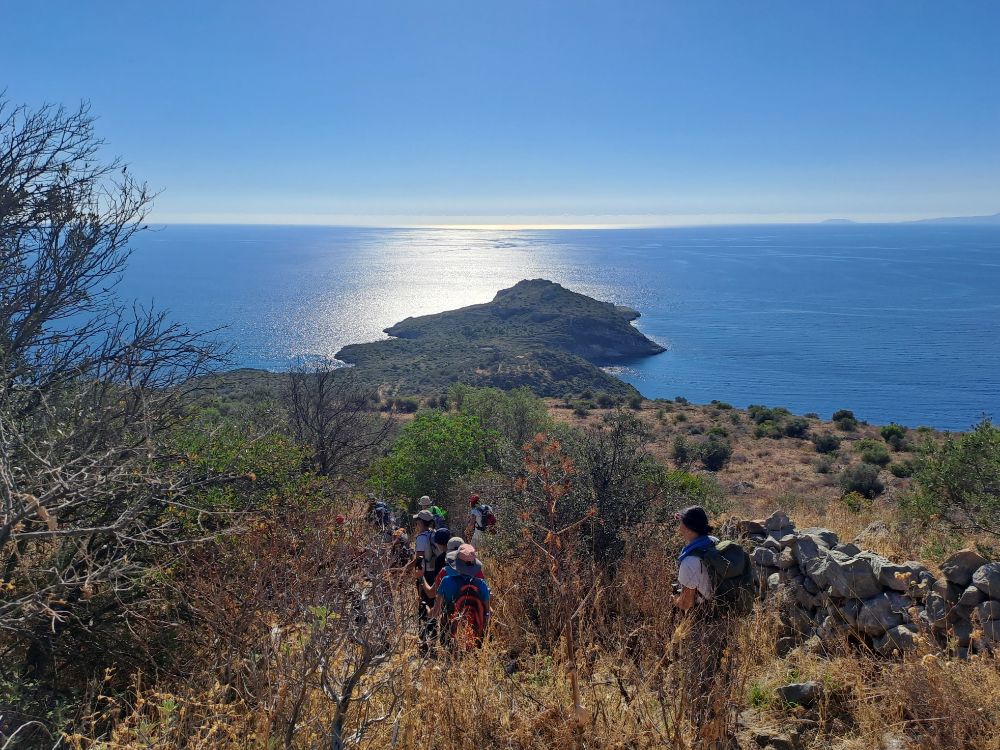
I am a hiker too, and I love exploring scenic and mountainous trails in the beautiful, rugged, and versatile Greek terrain. But I never hike during the summer. Even though I’m a healthy mid-fifties individual, I would never risk stressing my heart in such extreme heat.
** Summer in Greece = June, July, August, September.
This post includes links that may be affiliate links. If you choose to purchase them, I may earn a small commission at no extra cost to you. Please see my disclaimer/privacy policy for more information.
My Latest Hiking Video in Greece
So, if summer isn’t ideal, when is the best time to hike in Greece?
And if you do hit the trails in summer, how can you stay safe and comfortable? Let’s break it down.
When to Hike in Greece

For me, any time between October and May is a fantastic time to hike in Greece.
However, it’s important to note that January in Crete (southern Greece) is very different from January on Mount Olympus in the north.
While Crete may have mild, pleasant weather suitable for hiking, Mount Olympus is covered in snow and ice and experiences freezing temperatures, making it unfriendly to humans.
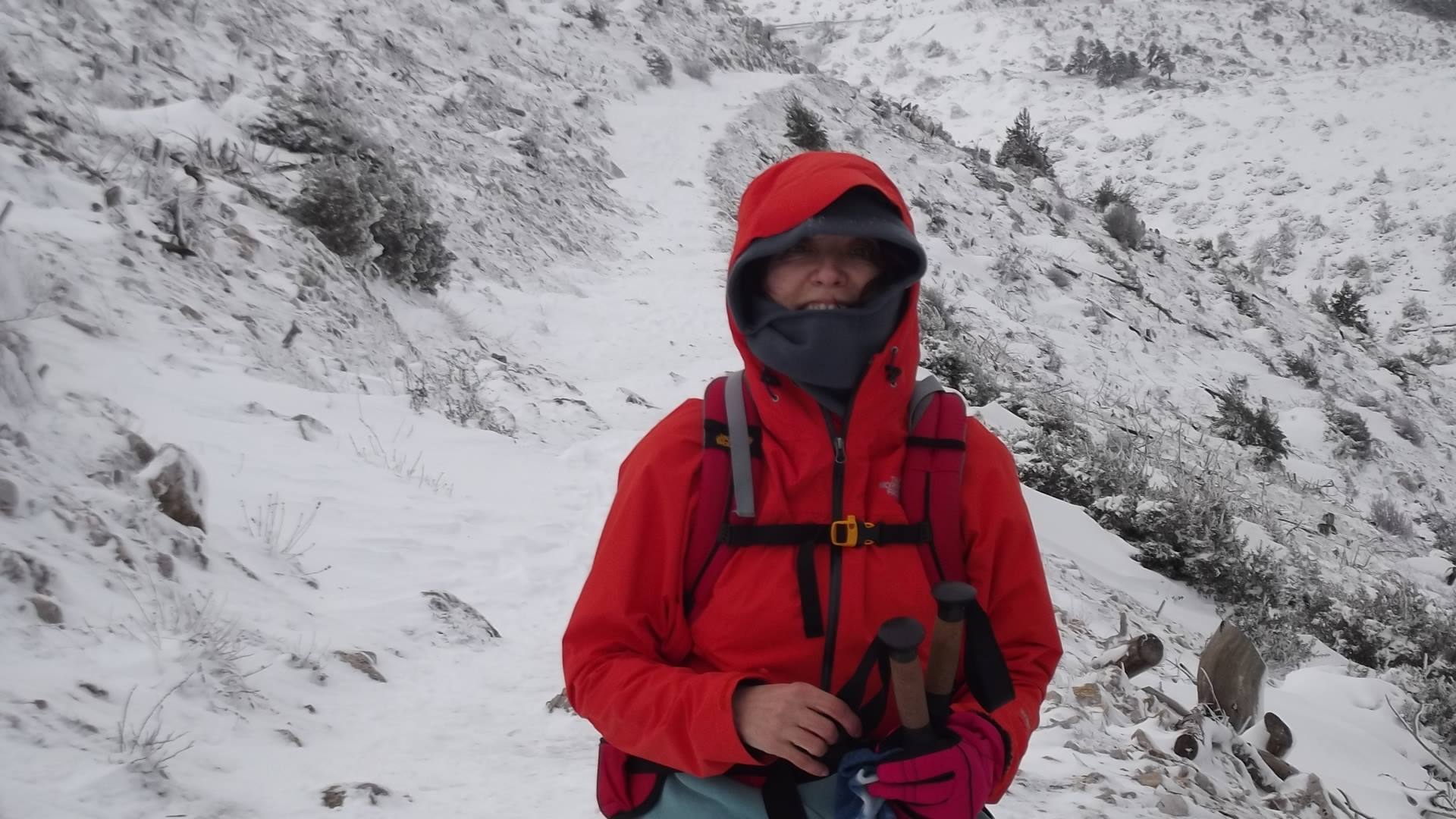
Western Greece — places like Ioannina and Corfu — sees a lot of rain, while Athens and the Peloponnese have milder winters. The mountains, however, still get snow and true winter conditions.
Always consider the specific climate and conditions of the Greek region you plan to visit.
October and November in Greece | A Kaleidoscope of Colors
Why hike in the fall in Greece? October brings cooler temperatures, tourism starts slowing down and everything becomes calmer and more colorful.
The autumnal hues in forests add a new dimension to Greece’s already stunning landscapes. The temperatures during those months are:
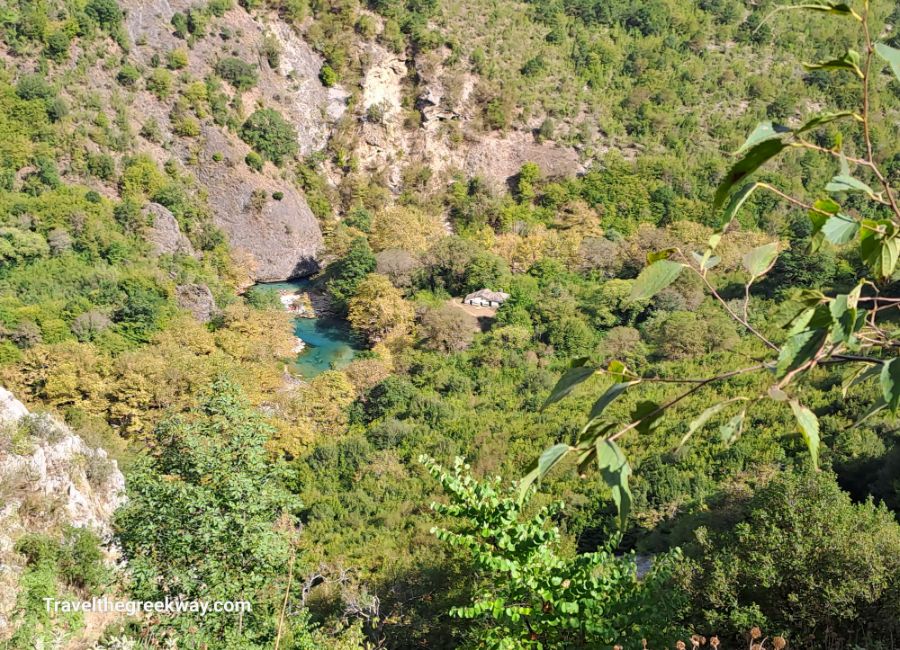
- Mainland Greece: Temperatures typically range from 15°C to 25°C (59°F to 77°F).
- Islands and Coastal Areas: Temperatures are slightly warmer, ranging from 18°C to 26°C (64°F to 79°F).
- Northern Greece (e.g., Thessaloniki): Temperatures can be cooler, ranging from 12°C to 20°C (54°F to 68°F).
November

- Mainland Greece: Temperatures generally range from 10°C to 20°C (50°F to 68°F).
- Islands and Coastal Areas: Temperatures range from 15°C to 22°C (59°F to 72°F).
- Northern Greece: Temperatures can drop further, ranging from 7°C to 15°C (45°F to 59°F).
Where to Go for Hiking
- Meteora: The combination of fall colors and the iconic rock formations makes for a surreal hiking experience.
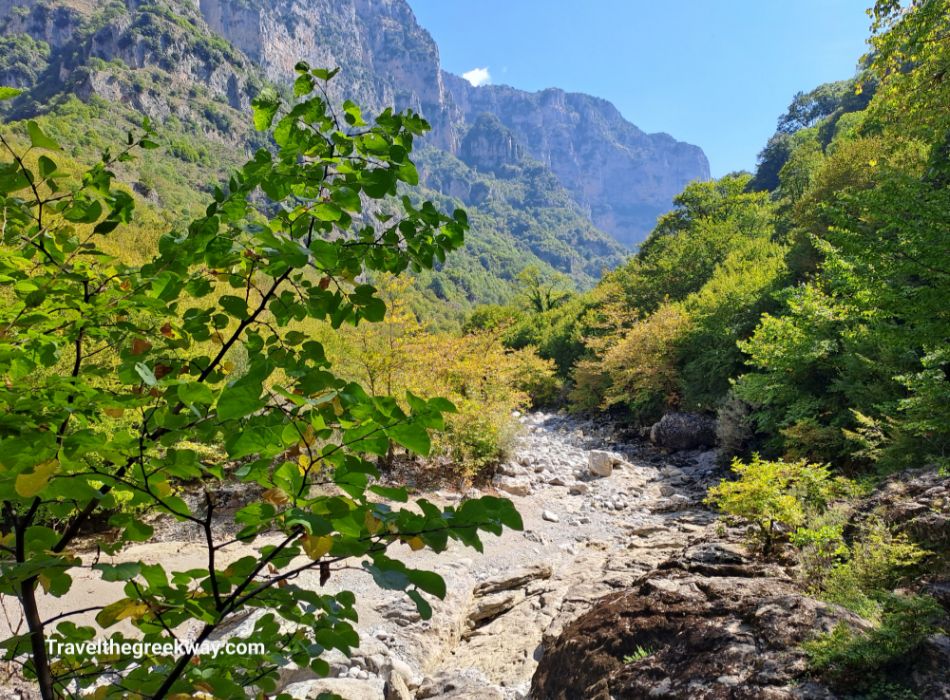
- Zagori: The Vikos Gorge is breathtaking in the fall, with the forested parts providing a striking contrast to the rocky terrain.
- Pelion: My favorite forested peninsula in the eastern part of Greece, across from the islands of Skopelos, Alonissos, and Skiathos.
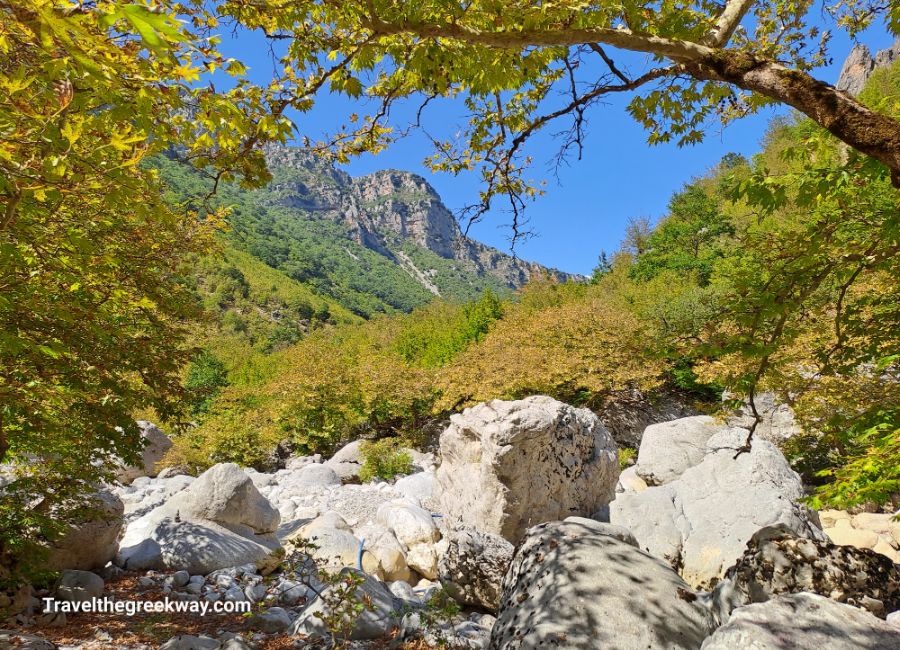
Pro Tip: October is particularly beautiful but be aware of shorter daylight hours. Start your hikes early to make the most of the light.
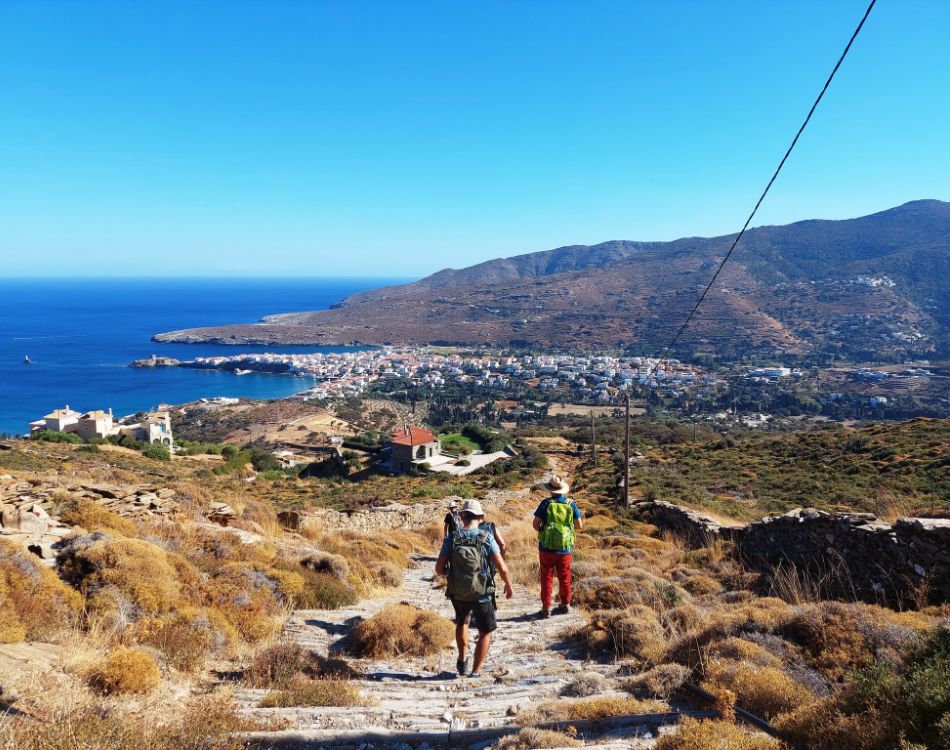
Wherever you go, it’s going to be just perfect. The islands are getting cooler, making this a great time to visit them.
While the ferries may not be as frequent as in the summer, there is still a daily ferry to all the islands.
December
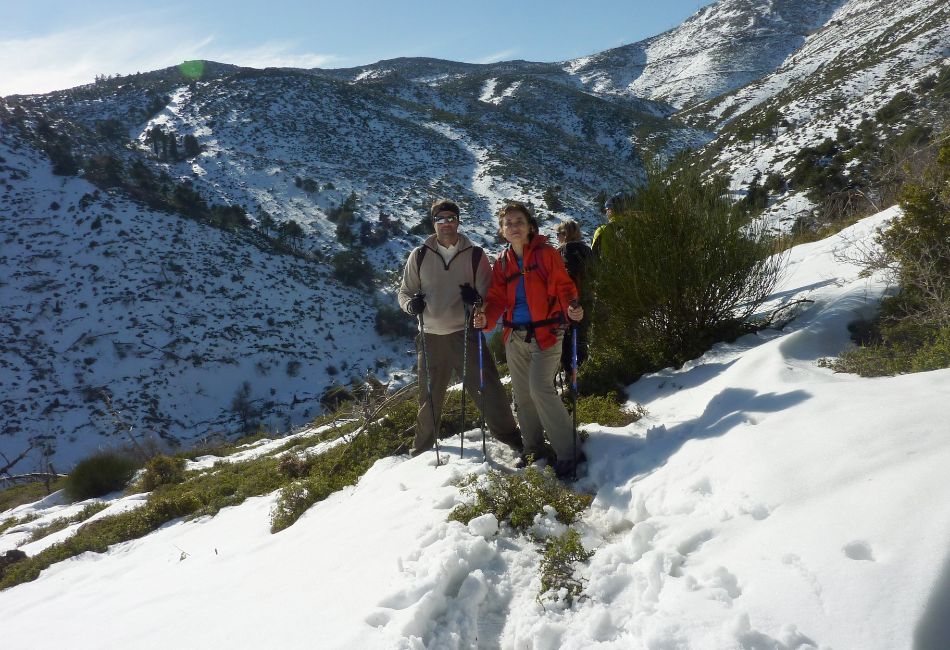
December in Greece can range from warm and sunny (15 °C) to snowy and rainy for days in the north.
I hike a lot in Athens, the Peloponnese, and central Greece, such as Parnassus, Elikonas, and the Pelion peninsula.
Athens and Central Greece:
- Average temperatures range from 7°C to 14°C (46°F to 59°F).
- The weather is generally mild with occasional rain.

Northern Greece (Thessaloniki, Macedonia):
- Average temperatures range from 3°C to 11°C (37°F to 50°F).
- Colder than the southern regions, with a chance of snow in higher elevations.
Southern Greece (Peloponnese, Crete):
- Average temperatures range from 7°C to 17°C (50°F to 63°F).
- Mild weather, but it can be rainy.
January-February
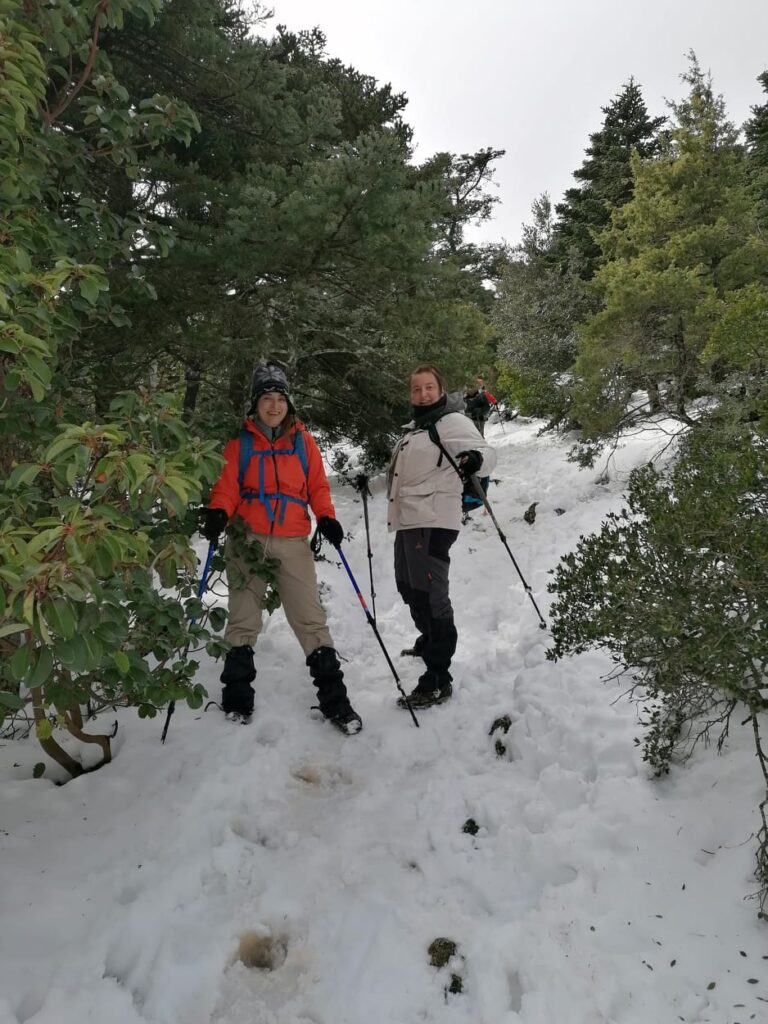
If you choose to hike in the lower parts of a mountain such as Menalon in the Peloponnese, you may enjoy beautiful snowy hikes.
I don’t usually hike on the islands because the winds can get really strong. I prefer sticking to the mainland—less chance of getting stuck if the weather turns stormy!
March-May | Nature’s Grand Awakening
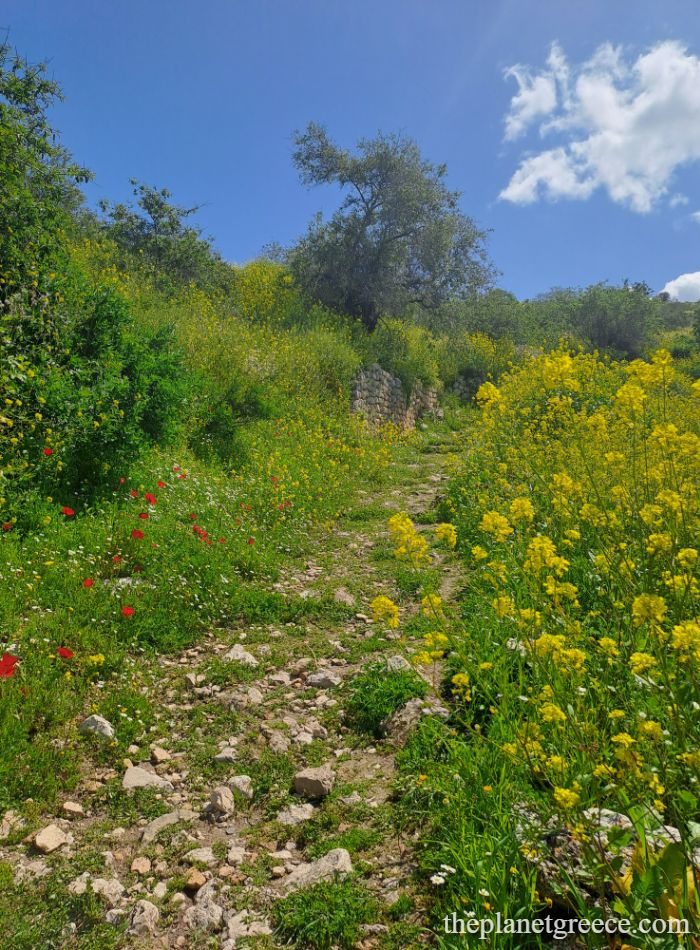
Spring is arguably the best time to hike in Greece. The temperatures are mild, wildflowers are in full bloom, and the landscapes are stunningly lush and green.
Where to Hike

- Andros, Sifnos, Amorgos, and Serifos are perfect for hiking.
- Peloponnese: This region bursts into life with vibrant wildflowers. Trails like the Menalon Trail 1 or Acrocorinth offer a mix of history and natural beauty.
- Crete: The Samaria Gorge opens in May, revealing stunning rock formations and a variety of flora and fauna.
Pro Tip: Pack layers. Spring mornings can be cool, but they warm up quickly as the day progresses.
Survival Tips for Hiking in Greece in Summer
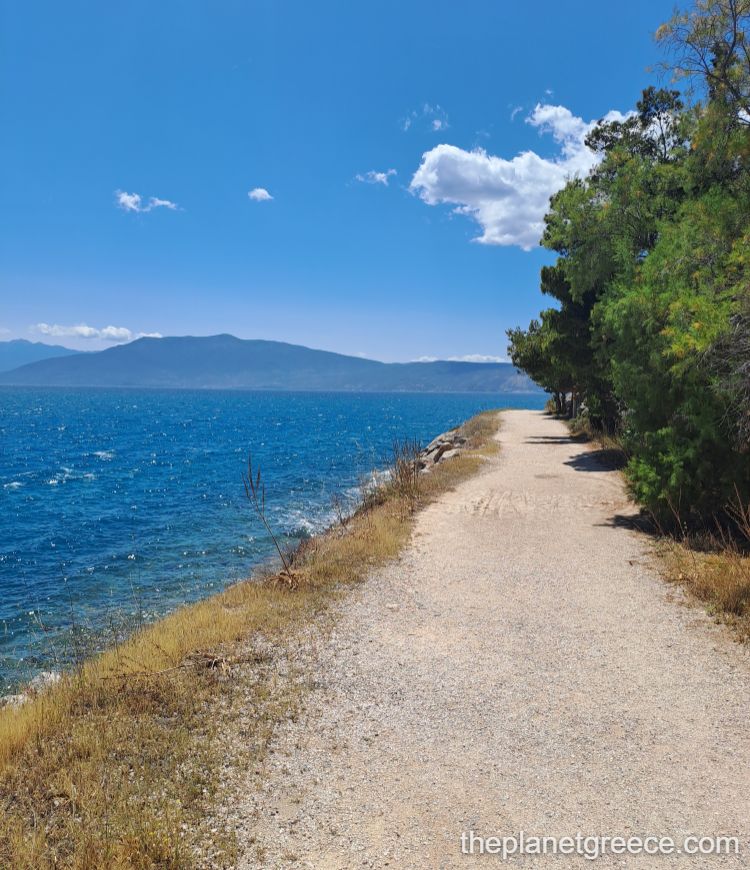
I hear you. Summer is the best time to visit Greece, and it will be the only time you can hike in the country.
Before you venture and start exploring the trails in Greece, I need to remind you of a few things, especially if you come from a different climate than a Mediterranean one.
A general overview of temperatures in summer in Greece:
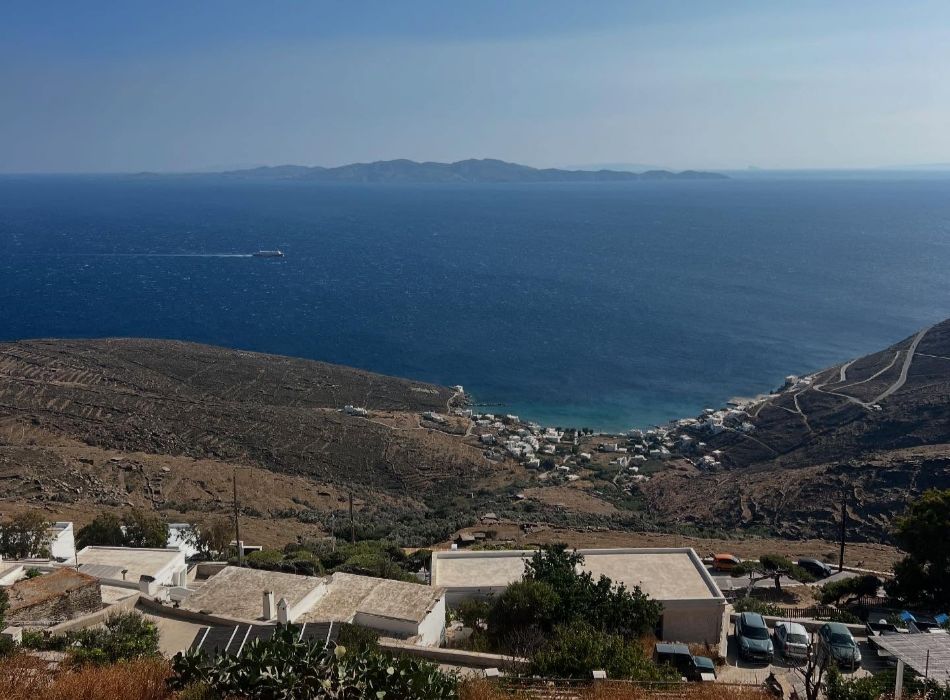
- Mainland Greece (including Athens): Temperatures typically range from 30°C to 35°C (86°F to 95°F), but can occasionally exceed 42°C (108°F) during heatwaves. In 2024, it didn’t rain at all in June, July, and August, but it did rain in the first 3 days of September.
- Islands (including Crete and the Cyclades): Coastal areas tend to be slightly cooler, with temperatures ranging from 28°C to 33°C (82°F to 91°F), but can also reach up to 45°C (108°F) during peak heat periods.
- Northern Greece: Generally a bit cooler than the south, but still quite hot, with temperatures ranging from 28°C to 35°C (82°F to 95°F).
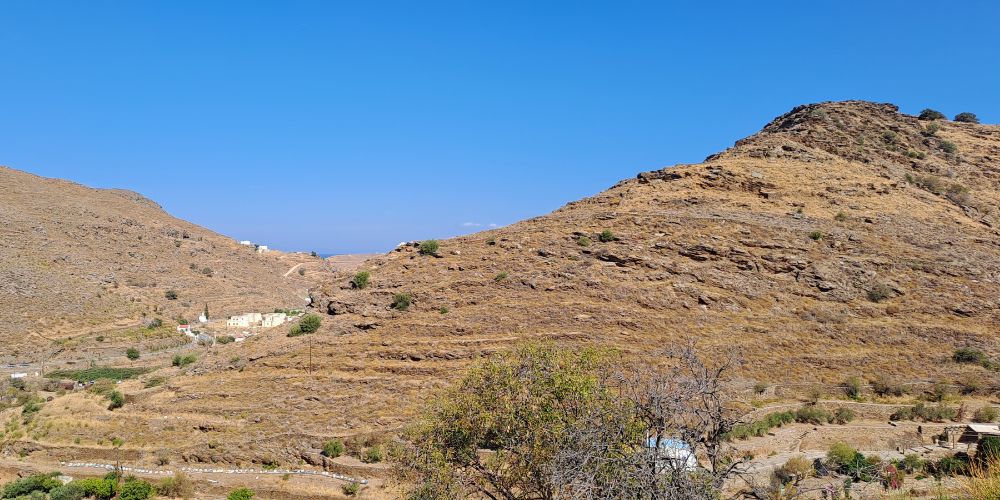
Mountain climbing and hiking are integral parts of many countries’ cultures, but the Greek landscape is different from what you might be used to.
So this is my piece of advice for you if you would like to hike in Greece in the summer:
- You are not immortal. No matter how fit and healthy you are, stressing your heart in the extreme heat can (really fast) lead to heat stroke symptoms if the temperature is over 32 C. Instead, hike early in the morning between 6 and 10 am, and again after 7.30 in the evening.
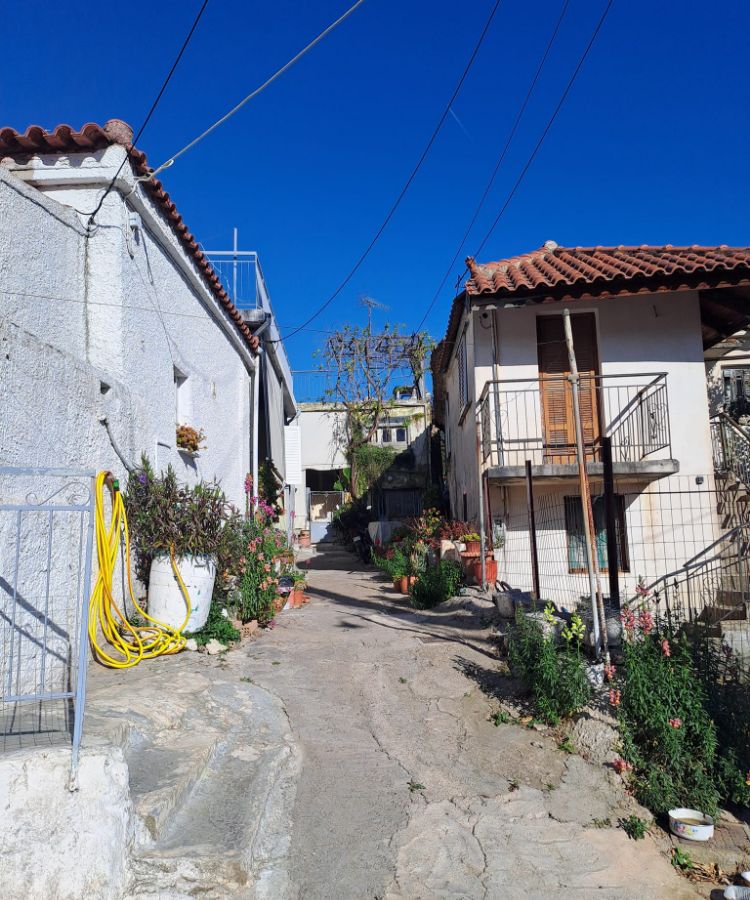
No local Greek will go out in the heat between 2 and 5 pm unless they have to (working in the tourist industry for example). It’s not just about taking a siesta.
We understand that the heat outside can make us sick or even be fatal for the elderly and more vulnerable. Greeks have a way of behaving towards the natural environment that visitors might ignore if they aren’t informed about it.
If you come from a cooler climate, let’s say Germany, northern USA, or Russia, your body will need weeks to acclimate. I also need time to adjust to higher temperatures and I was born and raised in Greece!
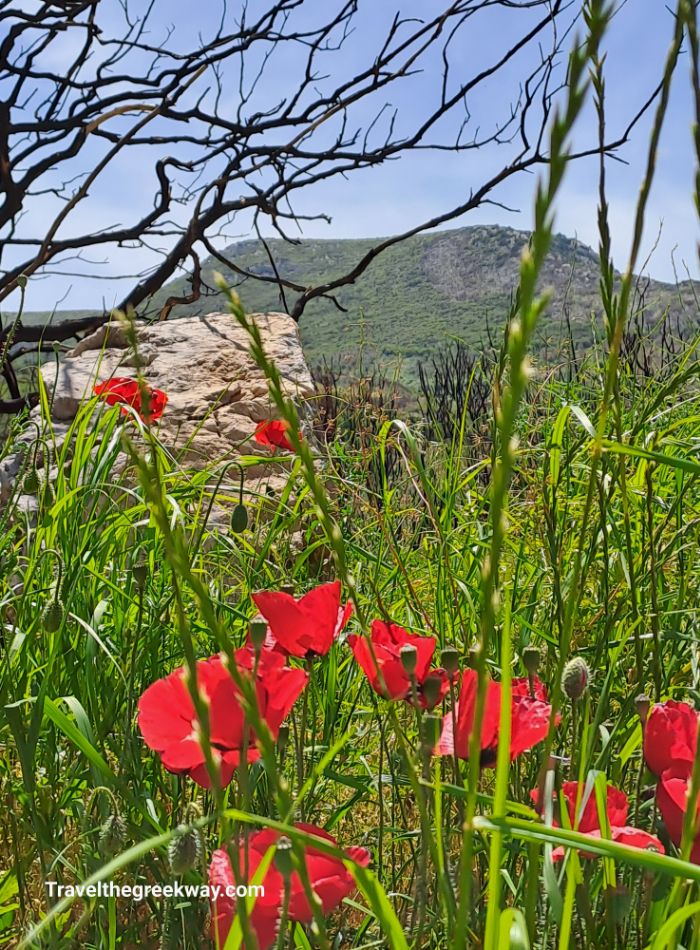
Be well prepared and informed for your trek. Find out how long it is, how steep and exposed to the sun the trail is, and if there is any source of water or shade in the area.
If you have just had lunch, stay put. Enjoy a rest under the shade and relax until the evening, when it is best to hike.
Starting a hike right after lunch, with a full stomach and alcohol in your system, under the midday Greek sun, I am sorry but, you are asking for trouble!
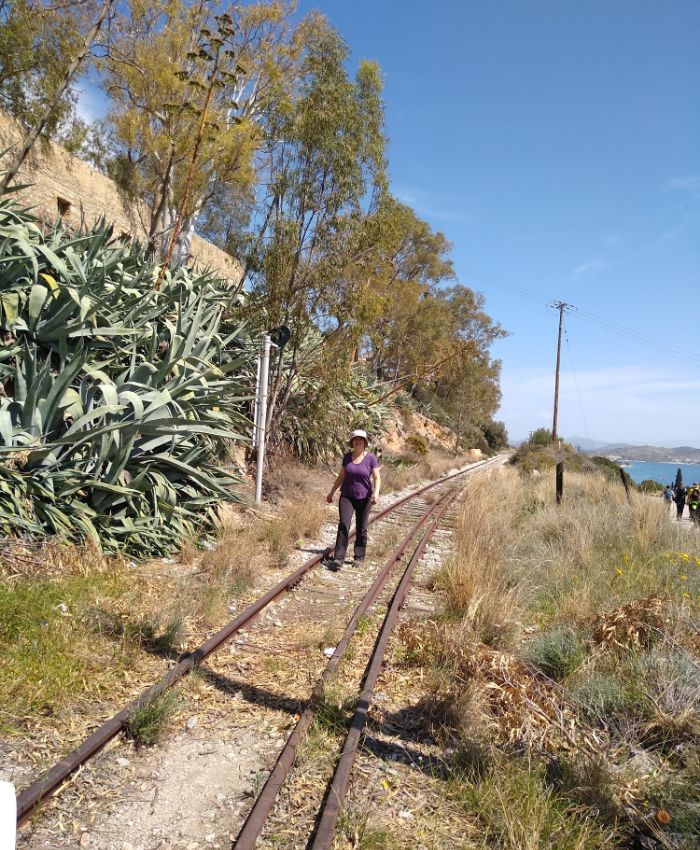
- Take your phone with you, and take a navigational system with a preloaded worldwide base map. There is no internet coverage in several remote areas in Greece. Carry a paper map as well with you.
- Or download offline maps on your phone before heading to areas with spotty service or data coverage. Google Maps is great for that. Use Alltrails and let someone know of your route.

- Many ancient trails are not adequately signposted. You cannot trust that you will not get lost. All of these poor people who died had lost their way because of the confusion that heatstroke involves.
- Pick a trail by the water. That way, if you start feeling too hot you can cool down in the sea.
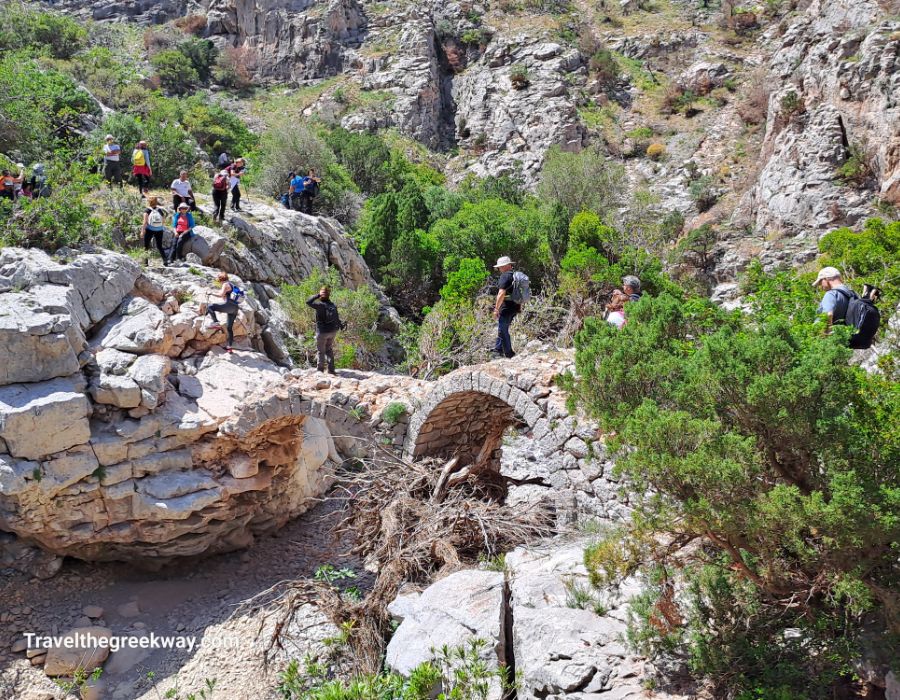
The islands are like mountains: they may not have high elevations, but we have challenging terrains, and in the summer, we face weather conditions that cause significant strain.
Wear open-air hiking shoes, stay hydrated, and bring your electrolytes. Before you start the hike, you take a dose of electrolytes and if you feel tired while hiking, take another one immediately with lots of water.
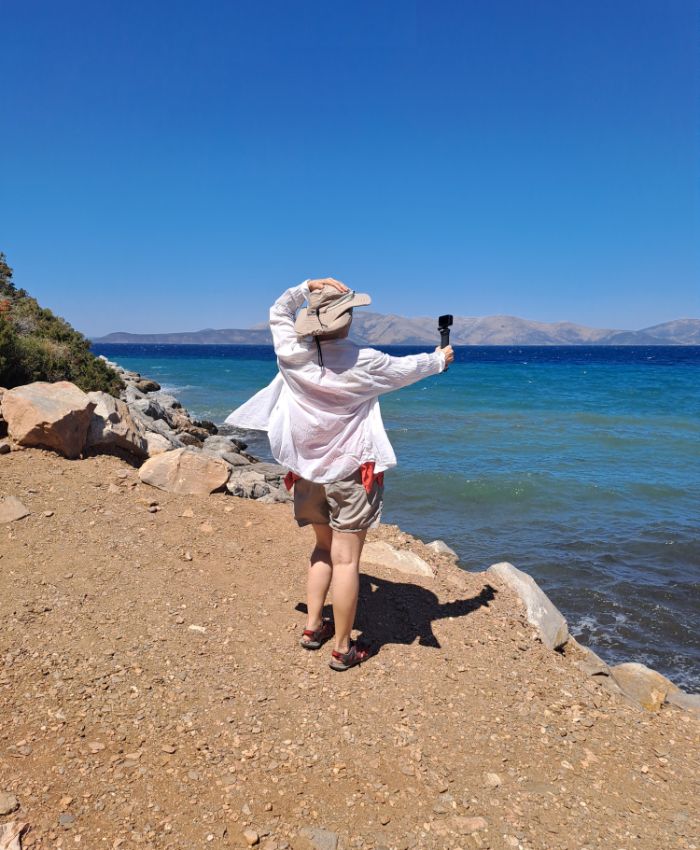
- What to wear: long-sleeved loose shirts and trousers, a hat that protects the neck from the sun, carry 3 liters of water with you, 2 of them should be solid ice, which you can use to cool you down. Tons of sunscreen.
- Finally, do not hike alone! All the hiking tourists who lost their lives were hiking alone.
Making the Most of Your Hike in Greece
By now, you should have a good idea of the best times to hike in Greece for stunning scenery and perfect weather.
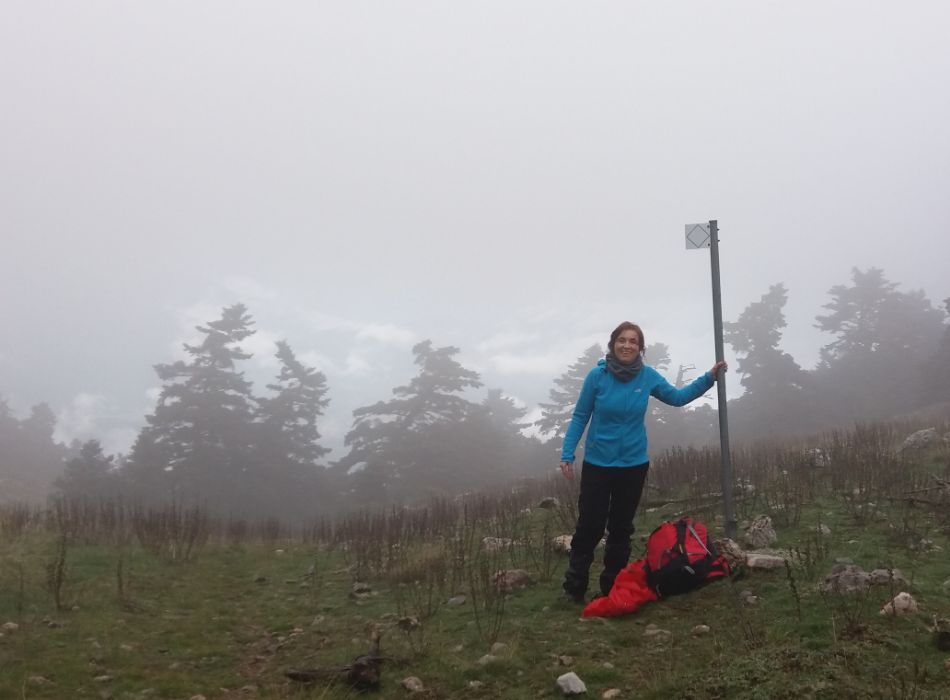
Hiking in Greece can be a dream come true if you get the timing right. Spring and fall stand out as the best seasons to enjoy the country’s natural beauty without the extreme weather conditions.
So, lace up those hiking boots, pack your gear, and get ready to explore the breathtaking trails of Greece.
When’s the Best Time for You to Hike in Greece?
1. What type of Greek island would you like to hike on?
a) Rugged Cyclades
b) Cosmopolitan Santorini or Mykonos
c) Lush forests like Skopelos
2. What’s your ideal trail condition?
a) Dry and well-maintained
b) A mix of dry and slightly muddy
c) Lush and green with wildflowers
3. What type of mainland trail would you like to hike?
a) Near a big city
b) Wherever the adventure takes me
c) Peloponnese or Northern Greece
4. What’s your favorite time of year for outdoor activities?
a) Late fall
b) Spring
c) Winter
5. What kind of scenery are you hoping to see?
a) Snow-capped peaks and frosty landscapes
b) Blooming flowers and lush greenery
c) Golden autumn leaves and colorful landscapes
6. How do you handle the heat during a hike?
a) I prefer cooler temperatures; the less heat, the better
b) I’m okay with moderate warmth
c) I love hiking in the heat, bring on the sun!
7. How important is exploring nature’s beauty during your hike?
a) Very important—I enjoy scenic, peaceful environments
b) I like to balance nature with a few social encounters
c) I’m here for the experience, whether it’s scenic or social

8. What’s your preferred trail difficulty?
a) Challenging trails with cool weather
b) Moderate trails with pleasant weather
c) Easy trails with beautiful surroundings
9. What’s your favorite post-hike activity?
a) Warming up by the fire with a hot drink
b) Relaxing in a cozy village café
c) Cooling off with a swim or a cold drink by the beach
10. What’s your favorite winter lodging?
a) A cozy mountain cabin with a fireplace
b) A charming guesthouse in a traditional village
c) A boutique hotel with great views and modern comforts
Results:
Mostly A’s:
Late Fall/Winter Hiker – You thrive in cooler weather with fewer crowds. Late fall or winter is perfect for your hikes in Greece, offering crisp air and serene trails.
Mostly B’s:
Spring Hiker – You enjoy mild temperatures and the sight of blooming flowers. Spring is your ideal time to hike in Greece, with beautiful landscapes and moderate weather.
Mostly C’s:
Early Autumn Hiker – You love the vibrant colors of fall and a peaceful atmosphere. Early autumn is the best time for your hikes in Greece, with warm days and cooler nights.
Happy and Safe hiking!
Join Our FB Group & Subscribe to My YouTube Channel!
For more travel to Greece tips and beautiful destinations in the Greek islands, please join my FREE Facebook Group or SUBSCRIBE to my YouTube & TikTok channels for amazing videos of Greece! Until then, happy and safe travels, Evgenia.
Essential Greece Traveling Tips
- ‘Hello’ and ‘Thank You’ in Greek: “Ya sou” and “Efharisto”
- Emergency Numbers Anywhere in Greece: AMBULANCE 166 – FIRE 199 – POLICE 100– EMERGENCY NUMBER 112
- Athens Metro Website (timetables and ticket info)
- Map of Athens Metro
- Trains (Hellenic Train)
- Public Buses KTEL
- Booking.com: I use Booking.com because I can get the best deals on hotels and apartments, free cancellations, and great prices!
- FerryScanner to book ferries to the Greek Islands
- Rent an Affordable Car in Greece
- Get Your Guide: For all your day or multi-day tours and city guide needs, I use Get Your Guide
